 Fostering development where
wildlife and human development can coexist.
Accommodation: Natural Light and Natural Communities
Shelter, Light, and the Ethics of Coexistence
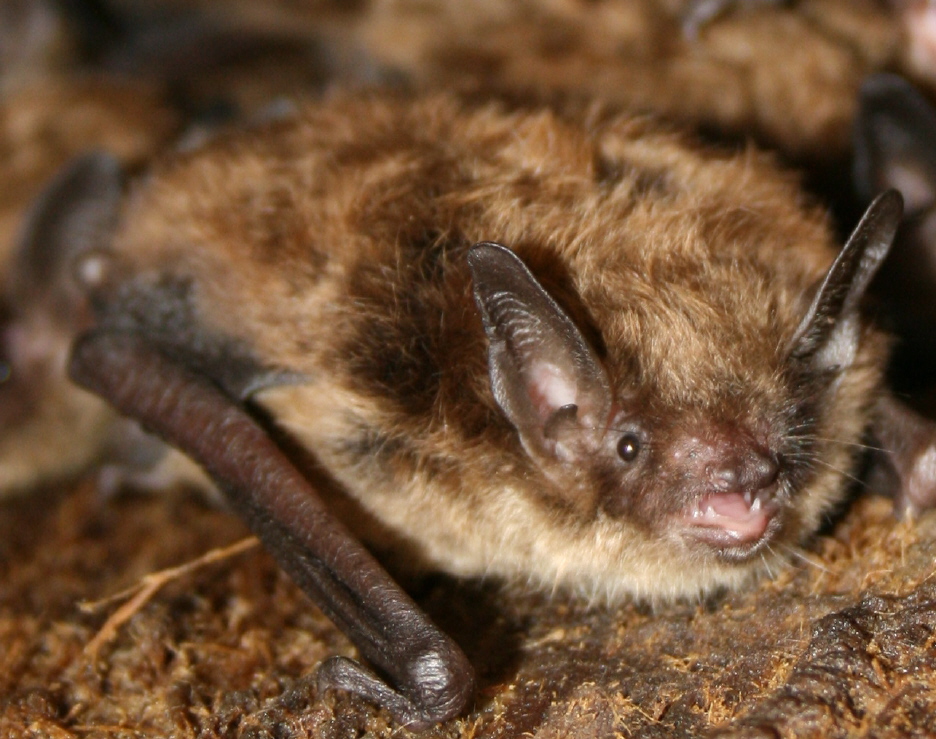
ZLI’s Accommodation Campaign focuses on bats, examining the role of light in shelter, roosting, nesting, and habitat formation. Bats are among the most misunderstood animals in the world, yet they are also among the most sensitive indicators of how human settlement reshapes ecological conditions.
Accommodation explores the practical coexistence of “indigenous and migrant,” “human and non-human” animals, asking how architecture, wildlife sensitive lighting strategies, and settlement patterns can support shared habitat rather than displacement.
While applicable globally, the campaign has particular geographic interest in the United Kingdom, Slovenia, and Kashmir, where questions of migration, refuge, and hospitality intersect with ecological responsibility.
Accommodation is structured around two pillars: research and media.
Feature Animals
Bats (Order Chiroptera)
Bats represent one of the most sophisticated sensory groups among mammals. Their survival depends on a complex interplay of acoustic navigation, visual perception, and environmental light conditions that shape nightly movement, roost selection, and predation patterns.
Roosting habitats—whether caves, trees, bridges, or buildings—are environments where light gradients and darkness thresholds directly affect social behavior, reproductive success, and predator avoidance.
Because bats frequently live in close proximity to human structures, they provide a powerful model for studying how built environments can either exclude or accommodate wildlife.
Accommodation therefore treats bats not simply as protected species, but as partners in designing more inclusive habitats.
Research Pillar
Light, Roosting, and Cross-Sensory Ecology
ZLI's Accommodation Campaign supports research into roost ecology and cross-sensory modalities, examining how bats integrate visual, acoustic, and environmental cues to select safe shelter and navigate landscapes.
Within the ZLI Framework, this work draws on three scientific domains of photobiology:
Photo-Physiology
Light exposure influences endocrine regulation, circadian rhythms, and the timing of emergence from roosts. Artificial lighting, electromagnetic emissions, and material reflectance can all alter physiological conditions experienced by bats in human structures.
Sensory Ecology
Bats navigate through the integration of echolocation, vision, airflow sensing, and landscape memory. Light conditions affect how these modalities interact, shaping flight paths, prey detection, and predator avoidance.
Integrative Biology
Roosts are not isolated structures but nodes within larger ecological networks, linking insect populations, vegetation, disease susceptibility, seasonal cycles, and human settlement. Understanding roost conditions requires examining the broader environmental systems that sustain bat populations.
Accommodation research therefore prioritizes field measurement of light conditions and material environments, ensuring that conservation strategies reflect the real sensory worlds bats inhabit.
PhotoDiversity Media Pillar
ZLI Accommodation Campaign Suite
Media projects within ZLI's Accommodation Campaign communicate the science and ethics of coexistence through narrative storytelling, documentary, and educational formats. There are five Accommodation Suite projects, centered about the Inhumanities Series Roosting Roger™.
Roosting Roger™ (ルースティング・ロジャー)
Inhumanities Anime Series
Roger Potočnik cares for his embittered aunt after witnessing his parents’ deaths during the 1980s Exodus from Kashmir. As the 1991 Ten-Day War in Slovenia threatens to sweep away their refuge, Roger struggles to preserve the family estate and its bat colonies. The series explores themes of memory, refuge, and ecological stewardship, connecting political displacement with the fragile continuity of shared habitats.
Chinar Nocturne™ (チナール夜想曲)
Kuyō Shōkon Cinematic Production
Set during the 1980s Kashmir exodus, Chinar Nocturne tells the story of two British chiropterologists whose research becomes entangled with the geopolitical tensions of the region. Echoing the psychological tension of The Manchurian Candidate, the film contrasts conflicting narratives of genocide and war with the urgent need to maintain ecological viability.
Accommodating Bats™ (コウモリの収容)
PhotoDiversity Educational Series
Accommodating Bats explores the interrelationship between bat roosts and human settlement, emphasizing the importance of maintaining a full range of natural light conditions. The series features thirty-three focal bat species, coordinated with the narrative arc of Roosting Roger, alongside illustrative examples from bat populations around the world.
Bat Civilities™ (小森のおもてなし)
Pholk Tales Animated Productions
This animated series presents bat folktales from across global traditions, countering simplistic cultural narratives. Stories draw from traditions in Okinawa, China, Liberia, First Nations cultures of the Americas, Polynesia, and Madagascar, exploring themes of hospitality, reciprocity, blessed homes and protection.
Yani’s Yard™ (ヤニの庭)
ChibiKama Playtime Production
In a ruined garden, Yani slowly cultivates a living ecosystem, encouraging short-sighted friends to recognize value in overlooked places. The series introduces younger audiences to the idea that shared habitats can flourish when small acts of care accumulate over time.
Why Accommodation Matters
Shelter as a Shared Responsibility
Across the world, bat populations are declining due to habitat loss, poorly designed lighting systems, and building renovations that eliminate roost sites. Yet bats remain essential ecological partners, controlling insect populations and sustaining agricultural systems.
Accommodation therefore focuses on practical strategies for coexistence, including:
-
bat-friendly architectural design
-
preservation of roosting spaces in buildings and bridges
-
lighting practices that maintain natural darkness cycles
-
community education on shared habitat
- engagement and support for migrants and the homeless where needed
By understanding how bats experience the built environment, we can transform cities and settlements into places of hospitality rather than exclusion.
Why Accommodation Requires Partnership
Protecting bat populations requires collaboration across disciplines.
ZLI's Accommodation Campaign is open to partnerships with:
- architects and urban planners
- support groups for migrants and the homeless
- wildlife researchers and conservation groups
- museums and science educators
- media creators and cultural institutions
Together, these partners can ensure that human settlement supports rather than displaces the wildlife with whom we share the night.
Support Accommodation!
Your gift advances peer-reviewed research, integrated wildlife design adoption, and humanitarian aid.
|
Donate to Accomodation → |
Employer matching may be available through your workplace giving program.
For real-estate donations visit www.saveabillionbirds.org contact us at 01.212.317.2927 directly.