Advancing reproductive health science
through light, biology, and wildlife research.
Activation: Light, Biology, and Reproductive/Sexual Health
Activation is ZLI’s campaign focused on sexual health, fertility, and family health through the lens of developmental biology—using sharks and rays as the flagship animals. The core idea is simple: light crreates signals in and through our bodies. In the ocean, changes in optical depth (how light shifts with depth, water clarity, and time of day/season) help regulate endocrine timing—from daily rhythms to seasonal reproductive cycles. A parallel “signals” theme sits beside these general conditions: sharks and rays also thrive in a sensual world of electromagnetic and electrical cues, adding a second layer to how bodies coordinate behavior, stress, and reproduction.
ZLI’s Activation Campaign funds science, builds measurement tools, and turns that science into practical designs and compelling media—so donors and partners can support measurable improvements in reproductive health knowledge, animal welfare outcomes, and public education.
Feature animal
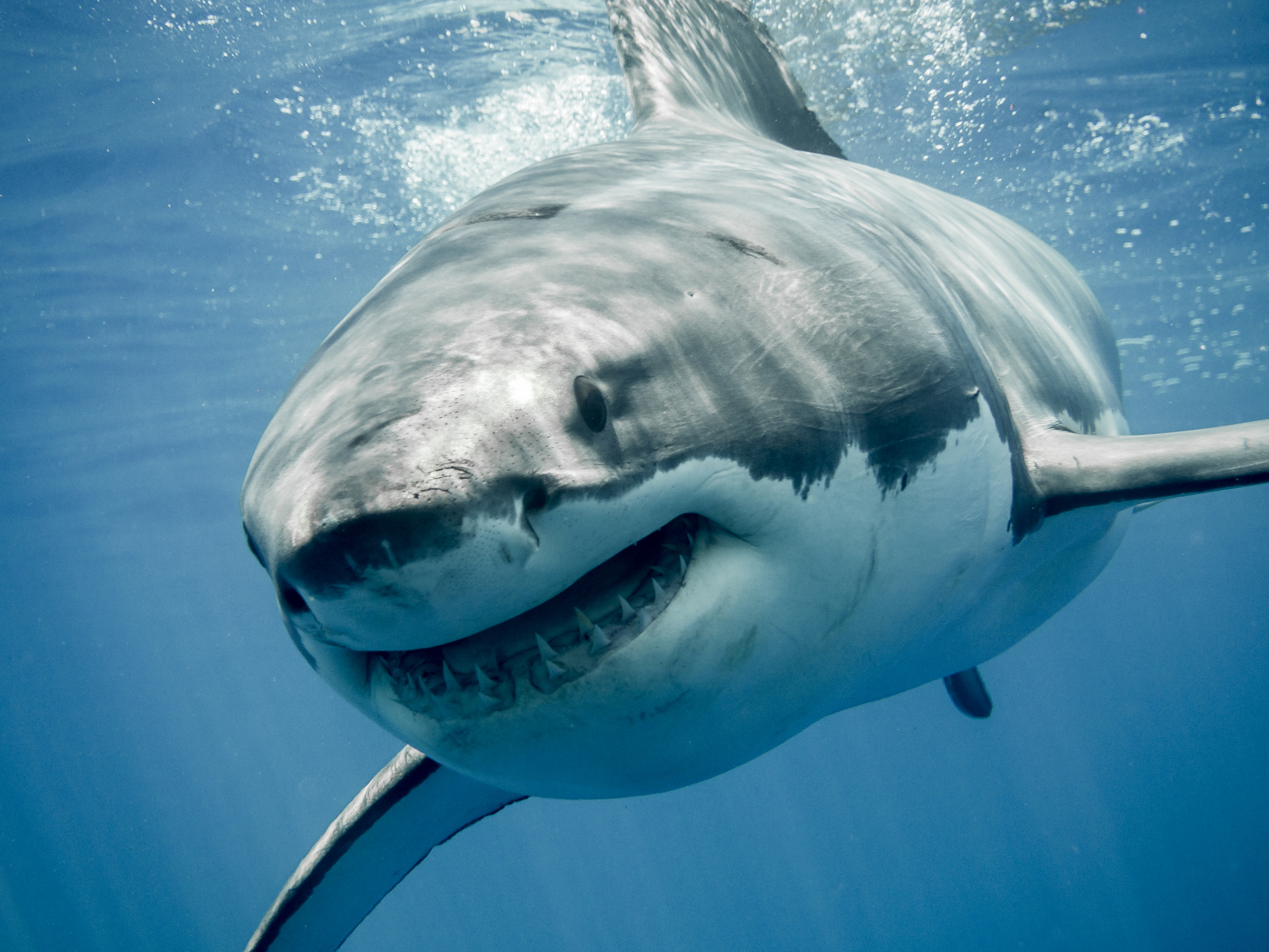
Sharks & Rays (Elasmobranchs) — chosen because their physiology sits at the crossroads of sensory ecology + endocrine regulation + environmental change (light, depth, turbidity, artificial light, and human-made EM fields). While animal welfare and conservation always matter for humans (you and I), because humanity cannot survive without wildlife, the understanding of sharks and rays provides key insight into direct human health and so, is crucial for our well-being.
Aquariums and marine institutions are natural partners in this research and education initiative. Activation is structured around two pillars: research and media
Pillar One: Research
Activation’s Research Endowment supports peer-reviewed science, early-career investigators, and translational developmental biology focused on light-regulated endocrine systems.
Contributions fund:
• Seed grants and fellowships
• Reproducible measurement standards
• Cross-disciplinary marine–human health research
• Long-term endowed research positions
This portfolio connects optical environments to reproductive timing, stress balance, and intergenerational health.
Sponsors may underwrite named research awards, symposia, or permanent endowed chairs advancing the science of light and life.
Pillar Two: PhotoDiversity Media
Activation’s media slate brings rigorous science into culture. Five projects anchor the Campaign:
- Infertility™ (不妊症 | INHUMANITIES Anime)
- examining reproductive complexity through global bioethics while affirming human dignity and the healthy dimensions of non-reproductive sexuality.
- Setsuka™ (雪花 | KUYŌ SHŌKON Cinema)
- a dramatic meditation on intergenerational timing, desire, and environmental disruption, framed through mourning rites and biological vulnerability.
- Activation™ (活性 | PhotoDiversity Education)
- translating photobiology and developmental science into accessible, evidence-based health literacy.
- Anryu Genji™ (安流源氏 | Pholktale Adaptation)
- reinterpreting traditional narrative through ecological signals, seasonality, and endocrine awareness.
- Dr. Fu’s Neighborhood™ (フー博士のネイバーフッド | ChibiKama Playtime)
- a life-affirming children’s series fostering emotional intelligence, family diversity, and cross-cultural expressions of love.
Media sponsorship supports production, educational distribution, and measurable audience reach — ensuring peer-reviewed science informs public imagination responsibly and at scale.
Photobiological Connection
(ZLI Framework)
Activation applies ZLI’s three scientific domains of photobiology—
photo-physiology, sensory ecology, and integrative biology—to sharks and rays as models of light-regulated endocrine timing linked to reproduction, development, and long-term health.
Photo-Physiology:
Depth-filtered light and day/night cycles provide timing cues that help regulate hormonal rhythms (including melatonin-linked signaling) and reproductive coordination. (Endocrine timing)
Sensory Ecology :
Sharks and rays live within shifting optical depth gradients (turbidity, surface glare, deep-water attenuation) and also detect electrical fields. Activation studies how these environmental “signal layers” shape behavior and reproductive opportunity. (Signals in immediate surrounds)
Integrative Biology:
Activation connects light to:
- Community resourcing (food chains): light-driven productivity influences prey availability and maternal investment capacity.
- Phenology (time as resource): seasonal light cycles structure breeding windows, migrations, and nursery use.
- Light-related epidemiology: disrupted light environments can interact with stress and immune function at population scale.
Community & Cultural Dimensions
(Framing the Science)
Activation also addresses social meaning and public health narratives—separately from the scientific framework—including cultural associations of sharks with family prosperity (e.g., historic shark-fin symbolism) and biomedical discussions involving squalene/squalane. ZLI’s approach is evidence-based, conservation-aligned, and focused on responsible science communication.
Peer-reviewed research anchor points
- Photoperiod matters: reproductive systems in rays and sharks show seasonal patterns, with endocrine markers tracking reproductive state and timing.
- Melatonin is a key messenger of light/dark: elasmobranch-focused work continues to refine how melatonin varies across species and conditions, supporting a light-to-hormone pathway worth translating for public health messaging.
- Electromagnetic/electrical sensing is real and measurable in elasmobranchs: their electroreception provides a credible “electromagnetic signaling” bridge for the campaign’s educational framing (handled carefully, without hype).
- Artificial light at night can disrupt endocrine systems across vertebrates: Activation uses this broader endocrine literature to motivate safeguards and better lighting choices in coastal and aquarium contexts.
Why Activation Matters
(And Why It Requires Partnership)
Reproductive timing is one of the most delicate biological systems in nature. Across vertebrates, light regulates endocrine coordination. When light environments shift — through artificial illumination, turbidity change, habitat degradation, or climate-driven optical alteration — hormonal timing systems shift with them. The consequences may be subtle at first: altered breeding windows, reduced fertility, suppressed immune balance, or misaligned developmental cycles. Over time, these disruptions scale from individuals to populations.
Sharks and rays offer a uniquely powerful comparative model. They sit at the intersection of sensory ecology, endocrine regulation, and environmental change. By studying how optical depth and electromagnetic signaling shape reproductive timing in these species, Activation advances a deeper understanding of light as a biological regulator — not only for wildlife conservation, but for human developmental health literacy.
Activation does not rely on symbolism but is sensitive to signals. Activation relies on measurement.
Through research endowments, ZALA light assessment tools, practical design standards, and PhotoDiversity media translation, this campaign converts peer-reviewed science into actionable knowledge. Donors and sponsors are not supporting abstract awareness — they are supporting:
- Baseline measurement of real light environments
- Endocrine-aligned design improvements
- Transparent, conservation-aligned science communication
- Intergenerational health literacy grounded in developmental biology
Family health, wildlife resilience, and public trust in science all depend on biological timing systems that evolved under natural light conditions. Activation exists to protect and translate that understanding.
Partnership in this campaign is an investment in measurable, systems-level health — across species, across communities, and across generations.
Support Activation!
Your gift advances peer-reviewed research, integrated bird-friendly design adoption, and equitable community access to nature.
|
Donate to Activation → |
Employer matching may be available through your workplace giving program.
For real-estate donations visit www.saveabillionbirds.org contact us at 01.212.317.2927 directly.