 Playing for Mental Health
Bearanoia: Play, Anxiety, and the Light in the Mind
ZLI’s Bearanoia Campaign focuses on bears, examining how environmental conditions—including light, seasonal cycles, and habitat stability—shape neurological and hormonal states related to play, anxiety, and emotional regulation. Across cultures, bears occupy a unique psychological space. They appear simultaneously as figures of fear, strength, protection, and companionship, reflecting human attempts to understand and manage emotional tension in uncertain environments.
Bearanoia explores subjects relating light to play, social bonding, and environmental rhythms, intended to help human and non-human animals alike navigate stress and maintain mental resilience.
ZLI's Bearanoia Campaign is particularly active in Japan and the United States, where bears and baseball both occupy powerful cultural roles.
Bearanoia is structured around two pillars: research and media.
Feature Animals
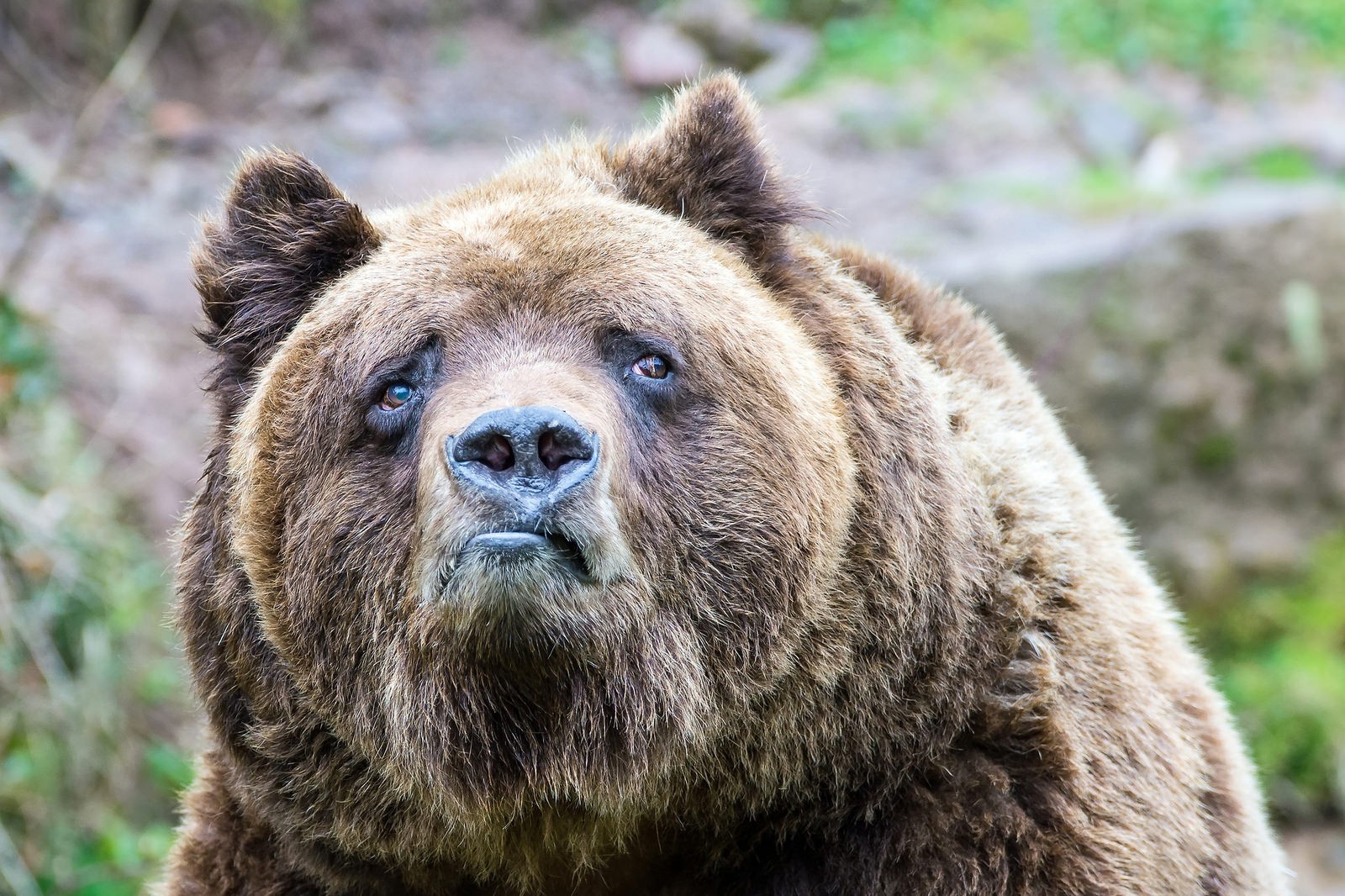
Bears (Family Ursidae)
Bears are among the most neurologically and behaviorally complex mammals in terrestrial ecosystems. Their lives are shaped by seasonal rhythms, food availability, environmental stressors, and social interactions. Play behavior among bears—especially in cubs and young adults—has been widely observed as a mechanism for:
- developing coordination and hunting skills
- reinforcing social bonds
- releasing stress and anxiety
- preparing individuals for unpredictable environmental conditions
The dramatic physiological cycles of hibernation, fat accumulation, and metabolic regulation also make bears important models for studying the photobiological relationship between environmental cues and endocrine systems, particularly as these relate to ethology and neural capacities.
Because bears frequently appear in human stories, sports, and folklore, they provide a compelling bridge between scientific research and cultural expression.
Research Pillar
Environmental Stress, Play, and Neurobiology
The Bearanoia campaign supports research examining how environmental conditions influence neurological and hormonal states associated with play, stress regulation, and mental resilience. Within the ZLI Framework, this work engages three domains of photobiology:
Photo-Physiology
Seasonal light cycles influence endocrine regulation in bears, including hibernation timing, reproductive cycles, and metabolic preparation for winter dormancy.
Changes in light exposure can alter hormonal signaling that affects mood, energy balance, and activity patterns.
Sensory Ecology
Bears experience landscapes through integrated sensory systems involving vision, smell, hearing, and spatial memory. The luminous environment directly affects how bears move through forests, locate food, and interact socially. The timing of daylight and seasonal darkness also shapes patterns of foraging, exploration, and play behavior.
Integrative Biology
Bear populations exist within ecological networks where climate patterns, forest structure, prey availability, and human settlement influence survival and well-being. Understanding bear behavior requires examining how these environmental conditions interact with neurobiology and endocrine regulation, particularly in relation to stress and adaptive play.
PhotoDiversity Media
ZLI Bearanoia Campaign Suite
Media projects within the Bearanoia Campaign communicate the science of stress, play, and mental resilience through storytelling, documentary, and educational programming.
Fear of Faith™ (信仰への恐怖)
Inhumanities Animated Series
A young, perpetually bullied Matagi hunter overcomes resentment toward his famous baseball-playing father. Through archival lessons from historical figures such as Lou Gehrig, Shinji Hamazaki, Biz Mackey, and the legendary Babe Ruth, he learns to bond with others despite his fears.
The series connects baseball history, Matagi culture, and environmental stewardship, showing how discipline and humility can transform fear into purpose.
The Biz Mackey Story™ (東京ビズ)
Kuyō Shōkon Cinematic Production
In this cinematic narrative, Michimaro Ono recounts the remarkable life of Negro League legend Biz Mackey, focusing on the 1927 Philadelphia Royal Giants (Gentle Giants) tour of Japan. The film explores baseball as a space of cross-cultural connection, linking African American baseball history with Japanese sporting traditions and broader questions of identity and resilience.
Bearanoia™ (ベアノイア)
PhotoDiversity Educational Shorts
Bearanoia explores the neurology, endocrinology, hibernation, and play habits of bears, presenting thirty-three species episodically. The series also examines the role of bears in human entertainment and storytelling traditions, particularly where these narratives function as mechanisms for anxiety catharsis and emotional identification. The series coordinates thematically with the animated series Fear of Faith, linking scientific research with cultural storytelling.
Toji at the Bat™ (トウジ・バット)
Pholk Tales Movie
Inspired by Ernest Thayer’s classic baseball poem Casey at the Bat, Toji at the Bat™ reimagines the famous story within the emotional world of Japanese school baseball. The film follows a celebrated young player whose bravado masks deep anxiety. When a decisive strikeout shatters his reputation before a roaring crowd, the story explores how public failure can lead either toward despair or toward healing—depending on the presence of compassion and support. Set beneath stadium lights and the forests of northern Japan, Toji at the Bat reflects the Bearanoia central concern with fear, resilience, and the social role of play.
Carlos’s Corner™ (カルロスのコーナー)
ChibiKama Playtime Production
In this playful series, a chibi version of baseball star Carlos Mirabel of the Nippon Ham Fighters teaches simple baseball lessons alongside everyday life skills.Each episode provides practical guidance for parents and children, using baseball drills and teamwork exercises to encourage attention, patience, and confidence.
The series reinforces the idea that careful practice and playful learning build personal resilience.
Why Bearanoia Matters
Play as a Foundation of Mental Health
In both humans and animals, play is not a luxury—it is a biological necessity.
Research increasingly shows that play supports:
- neurological development
- emotional regulation
- social bonding
- stress resilience
For large mammals such as bears, play helps young individuals learn survival skills while maintaining psychological balance in demanding environments. For humans, games such as baseball provide structured environments where cooperation, discipline, and emotional expression can flourish.
Bearanoia therefore uses the intersection of wildlife science, cultural storytelling, and sport to explore how societies manage anxiety and build resilience.
Why Bearanoia Requires Partnership
Understanding the connections between environment, mental health, and culture requires collaboration across many fields.
ZLI's Bearanoia Campaign welcomes partnerships with:
- wildlife researchers studying bear behavior
- neuroscientists examining stress and play
- cultural historians and folklorists
- sports organizations and youth programs
- media producers and educators
Together, these partners can illuminate how healthy environments support healthy minds—both human and non-human.
Support Bearanoia!
Your gift advances peer-reviewed research, mental health initiatives, and humanitarian aid.
|
Donate to Bearanoia → |
Employer matching may be available through your workplace giving program.
For real-estate donations visit www.saveabillionbirds.org contact us at 01.212.317.2927 directly.

